
Welcome to this week’s deep dive into the world of rental properties in Oman! Whether you’re a seasoned landlord or just dipping your toes in the rental market here, managing property can feel like navigating a maze. So, sit back as we unpack the essentials you need to know to make your landlord journey smoother, smart, and—dare I say—more rewarding.
Oman’s real estate landscape offers unique opportunities but also comes with its own set of regulations and cultural nuances. From understanding tenancy laws to tips on tenant relations, this guide is designed to give you practical insights and thoughtful advice that speaks to the local context.
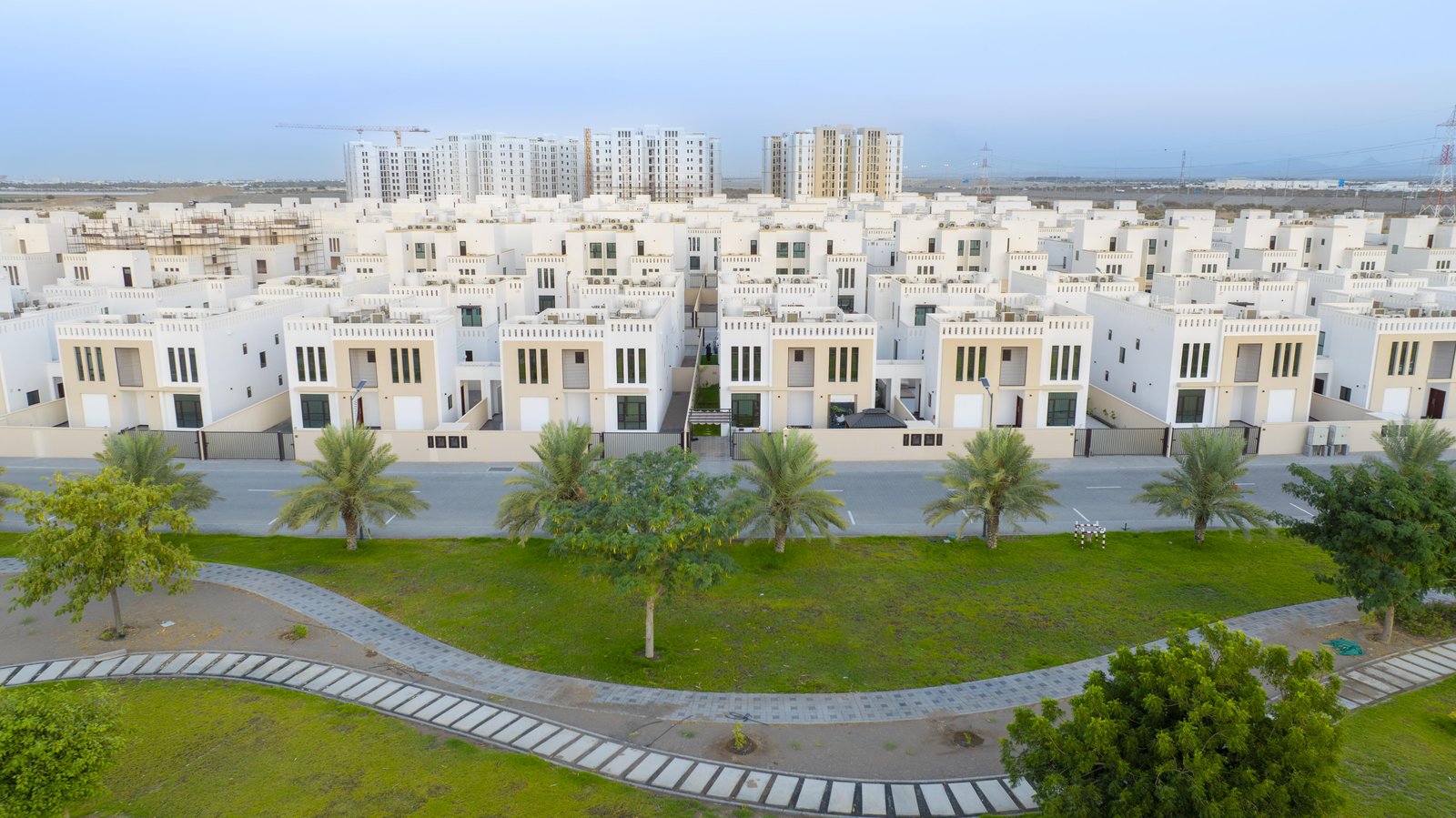
Understanding the Rental Market in Oman
The first step to success as a landlord is knowing your playing field. Oman’s rental market has grown steadily, driven by increasing urbanization in cities like Muscat, Salalah, and Sohar. Demand fluctuates by location, with premium areas commanding higher rents but also attracting more discerning tenants.
However, Oman’s tenancy laws help keep things balanced, ensuring protection both for landlords and tenants. The law covers crucial aspects such as rent increases, contract terms, and dispute resolution. Familiarizing yourself with these rules is not just a legal necessity—it also fosters a respectful landlord-tenant relationship.
Key Legal Points Every Landlord Should Know
- Tenancy Contracts: Written contracts are mandatory. These clearly specify rent amounts, payment schedules, maintenance responsibilities, and lease duration (usually one year, renewable).
- Eviction Rules: Landlords can’t evict tenants without valid cause or court order, which may include non-payment or breach of contract.
- Security Deposits: Usually equivalent to one month’s rent, this protects landlords from property damage or unpaid dues.
Practical Tips to Maximize Your Rental Income
Managing rental property isn’t just about collecting rent; it’s about maintaining value while building goodwill. Here are some strategies that have worked well in Oman’s market:
- Invest in maintenance: A well maintained property attracts better tenants and supports higher rent. Even small fixes or a fresh coat of paint can make a big difference.
- Choose your tenants wisely: References matter. Background checks and clear communication about expectations help avoid headaches.
- Renew with care: Use lease renewals as opportunities to reassess the rent or address improvements, but keep transparency to maintain trust.
- Leverage technology: Digital payments and online contracts can streamline management, especially if you have multiple properties.
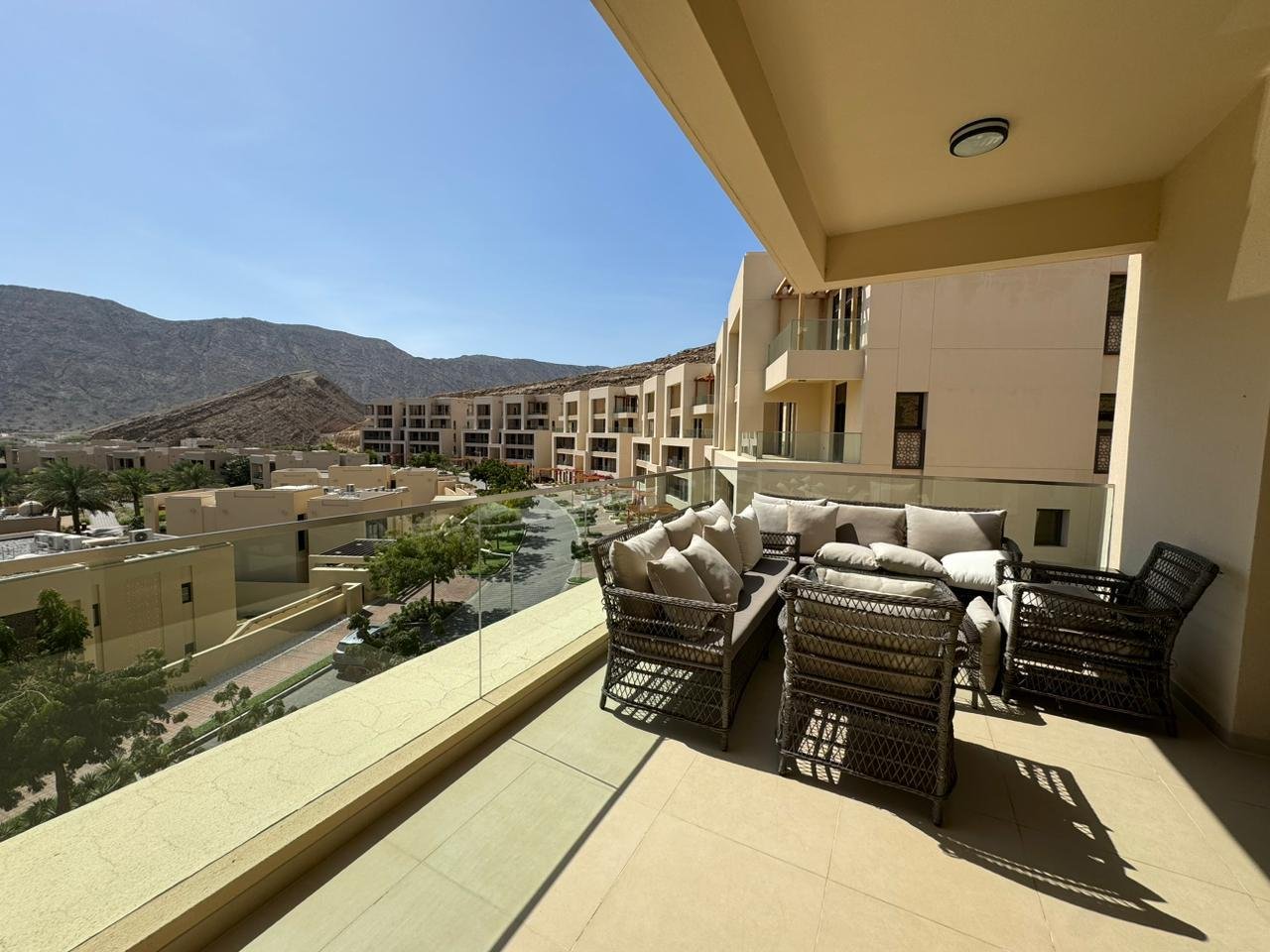
Building Positive Relationships with Tenants
It’s easy to forget that behind every contract is a person who wants a comfortable, respectful home. In Oman’s culture, personal rapport and mutual respect go a long way. Regular communication and prompt responses to repair requests not only keep tenants happy but also encourage long-term leases—a big plus in a competitive market.
If disputes arise, the goal is to resolve them swiftly and fairly. Remember, maintaining your reputation as a fair and professional landlord often matters even more than chasing every last rial.
Final Thoughts
Becoming a successful landlord in Oman means understanding the rules, embracing the culture, and taking a proactive approach to property management. It’s about balance—between protecting your investment and providing a quality home.
Next week, we’ll explore emerging trends in Oman’s property market and what they mean for landlords and tenants alike. Until then, happy renting, and may your properties thrive!
Thank you for reading, and as always, feel free to share your experiences or questions in Google review. After all, building a community of informed landlords can benefit us all.